
A gym or fitness studio website should answer what a person asks before they walk in: what memberships cost, whether there is a contract, how to cancel, when classes run, what hours the doors are open, what the first visit is like, whether beginners fit in, who the coaches are, and where to park. Put those facts in plain text on pages you own. That is the marketing. Design is the layout that makes those facts easy to find on a phone and easy for search and AI to cite.
Two worries keep people from joining a gym: price and contract surprises, and feeling out of place on day one. The site that answers both plainly gets more first visits than the one with a flashy video and “call for pricing.”
Who is reading the site
Gym and studio traffic comes from a few groups.
Beginners and people coming back after a long break. They are nervous. They want to know what the first visit is like and whether anyone will help. They search and ask AI things like gym for beginners Iowa City, fitness classes Cedar Rapids, or 24 hour gym North Liberty.
People comparing prices and access. They want membership options, contract terms, and hours side by side.
Class-focused people: yoga, cycling, strength classes, bootcamps. They want the schedule.
People looking for personal training, older adult programs, or sports performance for teens.
Students, travelers, and people in town for a few weeks who want a day pass or short-term membership.
Employers looking for group or wellness memberships.
Iowa gyms and studios in Iowa City, Cedar Rapids, the Quad Cities, and small towns compete the way fitness businesses do everywhere: clear prices, clear schedules, and a welcoming first visit.
What the homepage has to say in the first screen
In plain HTML text:
1. Gym or studio name, town, and street address 2. What you offer: open gym, classes, personal training, specialty programs, only what is true 3. Membership starting options and a link to full pricing 4. One clear button: Book a free class / Get a day pass / Join 5. Staffed hours and access hours, listed separately
Publish prices and contract terms
This is the page most gyms hide, and the one people want most.
- Membership types: month-to-month, annual, class packs, drop-in, day pass, family, student
- Prices, or a clear structure with a starting point, if you are comfortable posting it
- Enrollment fees and annual fees, stated plainly
- Contract length, if any
- How to cancel, in plain steps, including notice required
- How to freeze a membership for travel, injury, or pregnancy
- Refund rules for class packs and prepaid memberships
State consumer protection laws often cover health club contracts, including cancellation rights. Check current requirements for your state before you publish your terms, and make sure the website matches your actual contract.
Plain terms build trust with careful buyers. They also give AI assistants an honest answer when someone asks which gyms near them are month-to-month.
Put the schedule in plain text
Many gyms post the class schedule as an image or inside an app. People and search engines both struggle with that.
- The weekly class schedule on a web page, in text
- Class names with a short description of each: what you do, intensity, who it suits
- Coach for each class
- How to reserve a spot, and cancellation rules for classes
- Holiday schedule changes, dated
A text schedule lets an AI assistant answer “is there a 6 a.m. strength class in Coralville” with your class.
Make the first visit easy
- What to bring and wear
- Where to park and which door to use
- Whether a coach gives a tour or a short orientation
- Beginner classes or intro sessions, if you offer them
- Locker rooms, showers, and childcare, only what is true
- A plain note that beginners are common and how coaches scale workouts
This page is often the difference between a nervous person booking a first class or closing the tab. A short photo tour helps too: the front door, the check-in desk, the locker room, the floor. People feel better walking into a place they have already seen.
Coaches and trainers
- Names, photos, and the certifications they actually hold
- What each coach focuses on: strength, mobility, older adults, athletes
- Personal training packages and how to start
Describe what training involves. Leave out promises of a set amount of weight loss or a body transformation by a date. Results vary, and careful people distrust those promises. Health claims in fitness advertising can also run into consumer protection rules.
Service pages that match how people search
- Memberships and pricing
- Class schedule
- Group classes: one page for each class type you run
- Personal training
- Beginners and first visits
- Older adult programs: only if you run them
- Youth and sports performance: only if you run them, with parent information
- Day passes and short-term memberships
- Corporate and group memberships
Proof that belongs on a URL you own
- Photos of your actual space, equipment, locker rooms, and parking lot
- Photos from real classes, with member permission
- Member stories in their own words, with permission, and without before-and-after claims you cannot stand behind
- Reviews on a page you own, plus a link to Google Business
- Coach certifications named accurately
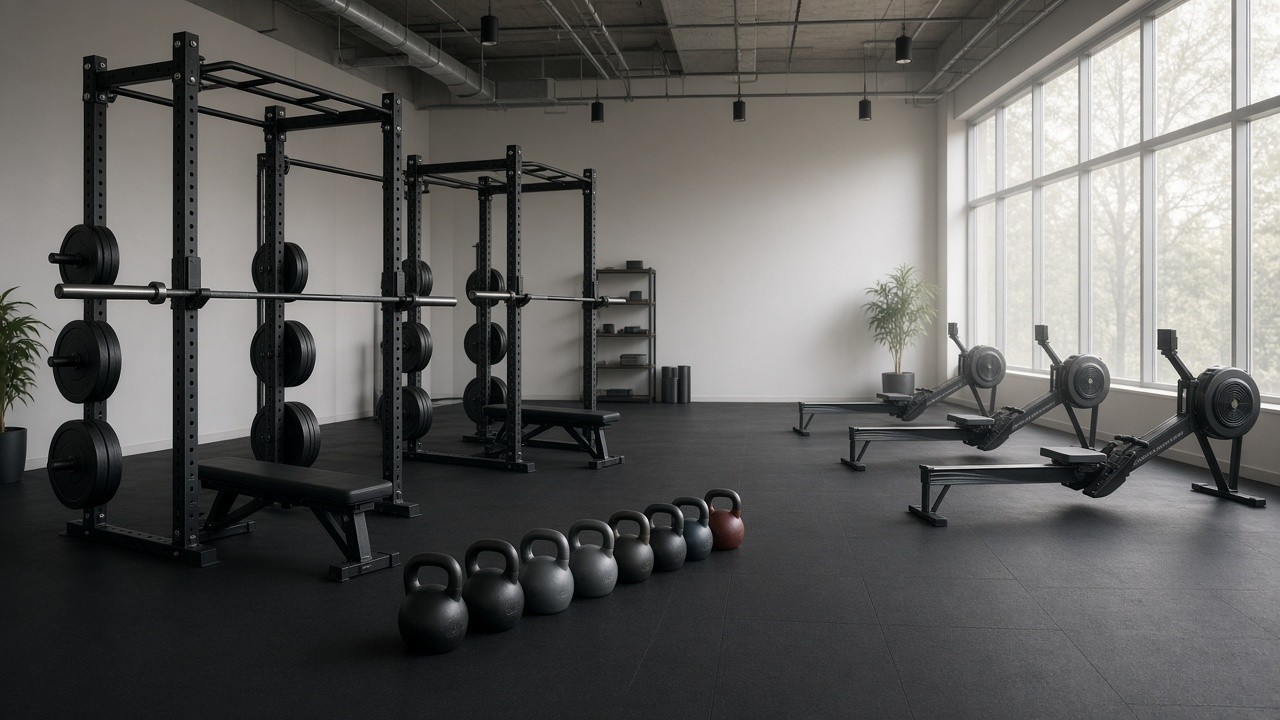
A photo of your real squat racks and a real 6 a.m. class tells a beginner what they are walking into. A stock photo of a model in a mirror does the opposite.
The first-visit path is the conversion
A good first-visit form asks for:
- Name, phone, email
- What they are interested in: open gym, classes, training
- Experience level
- Preferred day and time
- Any questions
Or offer online booking for a first class or tour. Say how fast you reply. Put it on its own URL so Google Business posts and AI answers can link to it. Keep click-to-call in the header.
Content that feeds search and AI without theater
Useful posts for a gym read like plain notes from the front desk:
- What your first class with us looks like, step by step
- How to cancel or freeze your membership
- Which class to try first if you are new
- Holiday hours this year
- Meet our coaches
- Short notes: new class added, new equipment, schedule changes
Why the website matters more now
Websites and SEO are changing. They still matter, and they matter more now for gyms. Bots now make a large share of web requests. People still join gyms, and they still compare first. More and more, ChatGPT, Gemini, Grok, and Google’s AI answers decide which gyms a person hears about first. Those tools look for clear facts: prices, schedules, hours, contract terms.
Your website should be the source of record. Google Business, your social pages, and class booking apps can point back to it. Keep the true prices, schedule, and cancellation terms on a domain you own.
Design rules that fit a gym
- Fast on mobile. People check the schedule on the way to class.
- Schedule and pricing one tap from any page
- Click-to-call and a first-visit button in the header
- Navigation: Memberships, Schedule, Classes, Training, First visit, Coaches, Contact
- No fake reviews, transformation promises, or hidden fees
- You own the domain, hosting, and content
What Upley does for gyms like this
Upley builds and hosts websites for Iowa and Midwest businesses. For a gym or fitness studio that means a clear pricing and terms page, a text class schedule that stays current, a first-visit page, coach pages, hosting that stays up for daily crawls, and an easy way to post schedule changes and class photos.
Same Iowa web team that ran Big Ten Web Design, handling design, hosting, and SEO, plus the modern layer so search and AI can find the true file about your gym, schedule, and prices.
If your current site says “call for pricing” and shows the schedule as a picture, start with the homepage five facts, a pricing and terms page, and a text schedule. Then build from the first-visit form.
Book 30 minutes: /half-hour-meeting/ Call 319-535-2508 · aaron@upley.com Iowa City, Cedar Rapids, Quad Cities / Davenport