
A physical therapy clinic website has two readers. Patients want to know whether they need a referral, whether you take their insurance, what the first evaluation involves, how many visits are typical for their kind of problem, who the therapists are, and how soon they can start. Referring doctors, surgeons, and athletic trainers want to know your specialties, how to send a referral, and how you report progress. Put those facts in plain text on pages you own. That is the marketing. Design is the layout that sends each reader to the right answer and makes those facts easy for search and AI to cite.
Many PT patients arrive through a referral, but more of them look the clinic up before they call, and some come straight in without one. A site that makes the referral and insurance steps clear takes a lot of friction out of the first week.
Who is reading the site
Physical therapy traffic comes from a few groups.
Patients sent by a doctor or surgeon. They have a referral and want to pick a clinic close to home or work. They search and ask AI things like physical therapy Iowa City, PT after knee replacement Cedar Rapids, or physical therapist near me that takes my insurance.
Patients with pain who want to start without a doctor visit first. They want to know if that is allowed and whether insurance will cover it.
Athletes, runners, and weekend warriors. They want sports experience and quick access.
Workers with a job injury, and the employers and case managers handling the claim.
Referring providers: surgeons, primary care doctors, athletic trainers, and chiropractors. They want specialties, locations, and a clean referral process.
Iowa clinics serving Iowa City, Cedar Rapids, the Quad Cities, and smaller towns compete the way PT clinics do everywhere: easy access, clear insurance steps, specialists patients can name.
What the homepage has to say in the first screen
In plain HTML text:
1. Clinic name, towns, and street addresses for each location 2. Whether you are accepting new patients, and how soon evaluations are available 3. A short line on referrals: whether patients can start without one 4. Phone and one clear button: Request an appointment / Send a referral 5. Hours, including early and evening times if you offer them
A word on health rules and privacy
Physical therapy is licensed and regulated by state boards, and health advertising rules apply. Health privacy law covers patient information. Check current rules before you publish, and have someone who knows them review new pages.
Some plain habits help:
- Describe what therapy involves. Leave out promises of full recovery or a set number of visits.
- Patient stories and photos only with written consent
- Keep health details out of basic contact forms. Use a secure intake or referral system.
- State licenses and specialty certifications accurately
Explain referrals and direct access
This is the most confusing part for patients.
- Whether patients can start therapy without a doctor’s referral in your state, stated in plain words and checked against current rules
- That some insurance plans still require a referral or prior authorization even when state law does not
- What your front desk does to check benefits before the first visit
- What patients should bring: referral if they have one, insurance card, medication list, surgery notes
A clear referral page answers the question behind many calls. It also gives AI assistants a fair answer when someone asks whether they need a referral for physical therapy near them.
Publish insurance and authorization steps
- Insurance plans you are in network with, with a date on the list
- How prior authorization works when a plan requires it, and who handles it
- Medicare, Medicaid, workers’ compensation, and auto claims: whether you accept them
- Self-pay pricing structure, if you offer it
- What patients usually pay for: copays, deductibles, and visit limits in general terms
A separate door for referring providers
Most PT sites forget this reader.
- A “For providers” page with locations, specialties, and hours
- How to send a referral: fax, secure electronic referral, phone
- What you send back: evaluation summary, progress notes, discharge summary
- Post-surgical protocols you commonly follow, in general terms
- A named contact for provider questions
A surgeon’s scheduler with a clear referral page sends patients your way with less back and forth.
Service pages that match how people search
- Orthopedic physical therapy: back, neck, shoulder, knee, hip, ankle
- Post-surgical rehab: joint replacements, ACL, rotator cuff, spine
- Sports physical therapy: return-to-sport testing if you offer it
- Vestibular and balance therapy: dizziness, fall risk, only if you offer it
- Pelvic health therapy: only if you have trained therapists, written with care
- Work injury and return to work: work conditioning, employer communication
- Dry needling or other techniques: only what your therapists are trained and allowed to perform
- Location pages: one per clinic, with its own address, hours, therapists, and photos
Each page should describe what an evaluation and a typical visit involve, who provides the care, and how to start.
Proof that belongs on a URL you own
- A therapist page with names, degrees, licenses, specialty certifications, and the kinds of patients each one sees most
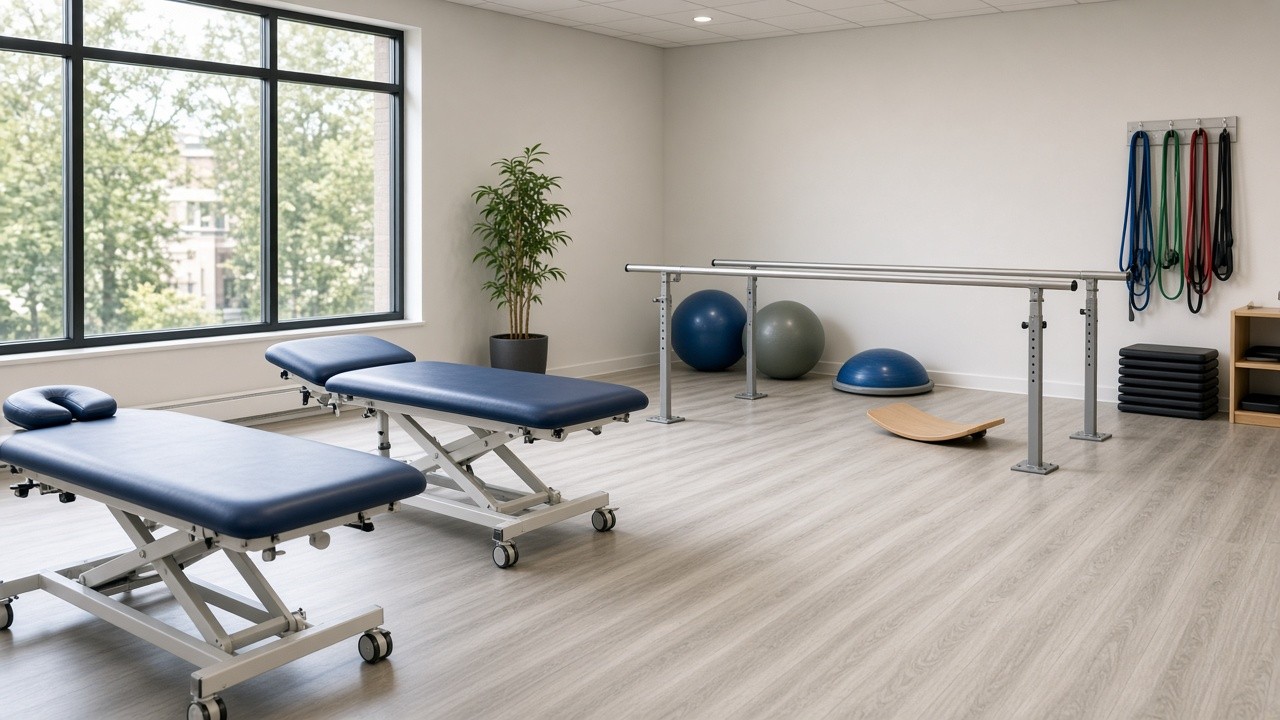
- Photos of your actual clinic, gym space, and equipment
- Reviews on a page you own, following privacy rules, plus a link to Google Business
- Accessibility and parking facts, which matter a lot after surgery
The appointment and referral paths are the conversion
Patient request:
- Name, phone, email
- Location preferred
- Referral: yes, no, or not sure
- Insurance plan name
- Preferred days and times
- A note to leave medical details for the secure intake
Provider referral:
- A secure referral method, clearly explained
Put each on its own URL so Google Business posts, provider offices, and AI answers can link to the right one. Keep click-to-call in the header.
Content that feeds search and AI without theater
Useful posts for a PT clinic read like plain explainers:
- Do you need a referral for physical therapy? What applies at our clinics
- What happens at your first evaluation
- What to bring to your first visit after surgery
- How prior authorization works, and what our front desk does
- Meet our therapists
- General home-exercise safety notes, pointing back to your own therapist
Keep claims measured and general.
Why the website matters more now
Websites and SEO are changing. They still matter, and they matter more now for clinics. Bots now make a large share of web requests. Patients still choose where to do their rehab, and doctors still pick where to send them. More and more, ChatGPT, Gemini, Grok, and Google’s AI answers decide which clinics a patient hears about first. Those tools look for clear facts: referral rules, insurance, locations, specialties.
Your website should be the source of record. Google Business, insurance directories, and referral networks can point back to it. Keep the true referral steps, insurance list, and specialties on a domain you own.
Design rules that fit a clinic
- Fast on mobile, readable for older patients
- Two doors: Patients and Providers
- Click-to-call and a request button in the header
- Navigation: New patients, Referrals and insurance, Services, Locations, Our therapists, For providers, Contact
- No fake reviews or recovery promises
- You own the domain, hosting, and content
What Upley does for clinics like this
Upley builds and hosts websites for Iowa and Midwest businesses, including clinics with rules to follow. For a physical therapy clinic that means clear referral and insurance pages, a provider page, location and therapist pages, forms that keep health details out, hosting that stays up for daily crawls, and an easy way to post clinic updates. You review everything for compliance before it goes live.
Same Iowa web team that ran Big Ten Web Design, handling design, hosting, and SEO, plus the modern layer so search and AI can find the true file about your clinic, therapists, and locations.
If your current site says “we treat everything” and lists a phone number, start with the homepage five facts, a referrals and insurance page, and a provider page. Then build from the request form.
Book 30 minutes: /half-hour-meeting/ Call 319-535-2508 · aaron@upley.com Iowa City, Cedar Rapids, Quad Cities / Davenport