
A basement waterproofing or foundation repair website should answer what a worried homeowner asks before they call: what causes the water or the crack they are looking at, what your inspection involves, which repairs you offer and when each fits, whether the warranty transfers when the house sells, which towns you cover, how fast you can come out, and how to book. Put those facts in plain text on pages you own. That is the marketing. Design is the layout that makes those facts easy to read on a phone in the basement and easy for search and AI to cite.
People who call a foundation company are usually nervous. They have water on the floor, a crack that looks bigger than it did last year, or a home inspection report with scary words in it. A calm, plain website that explains what you check and why is worth more here than in almost any other trade.
Who is reading the site
Homeowners with a wet basement after spring rain or snowmelt, a sump pump that failed, efflorescence on the walls, or a musty smell. They search and ask AI things like wet basement Iowa City, basement waterproofing Cedar Rapids, sump pump install Davenport, or why does my basement leak when it rains.
Homeowners who see cracks, bowing walls, sticking doors, or sloping floors. They are afraid of a huge bill and afraid of being oversold. They want an honest explanation.
Buyers, sellers, and real estate agents working against a closing date. A home inspection flagged a wall or water issue, and they need an inspection, a written scope, and sometimes a transferable warranty, fast.
Iowa companies serving Iowa City, Cedar Rapids, and the Quad Cities compete like foundation companies all over the Midwest: explain honestly, show real repairs, and make the inspection easy to book.
What the homepage has to say in the first screen
In plain HTML text:
1. Company name and towns you serve 2. Core work: interior drainage, sump pumps, crack repair, wall bracing or anchors, crawlspace work, grading and downspout fixes — only what you do 3. Phone that reaches someone who books inspections 4. One clear button: Schedule an inspection 5. Hours, how soon you can typically inspect, and licensed and insured if you can keep it honest
Describe the inspection calmly and in full
The inspection page is the most important page on this kind of site. Write it so a nervous homeowner feels steadier after reading it.
- Who comes out and what their role is
- What they look at: walls, floor, cracks, sump, gutters and grading outside, window wells
- About how long it takes
- Whether it is free, and whether you give a written report
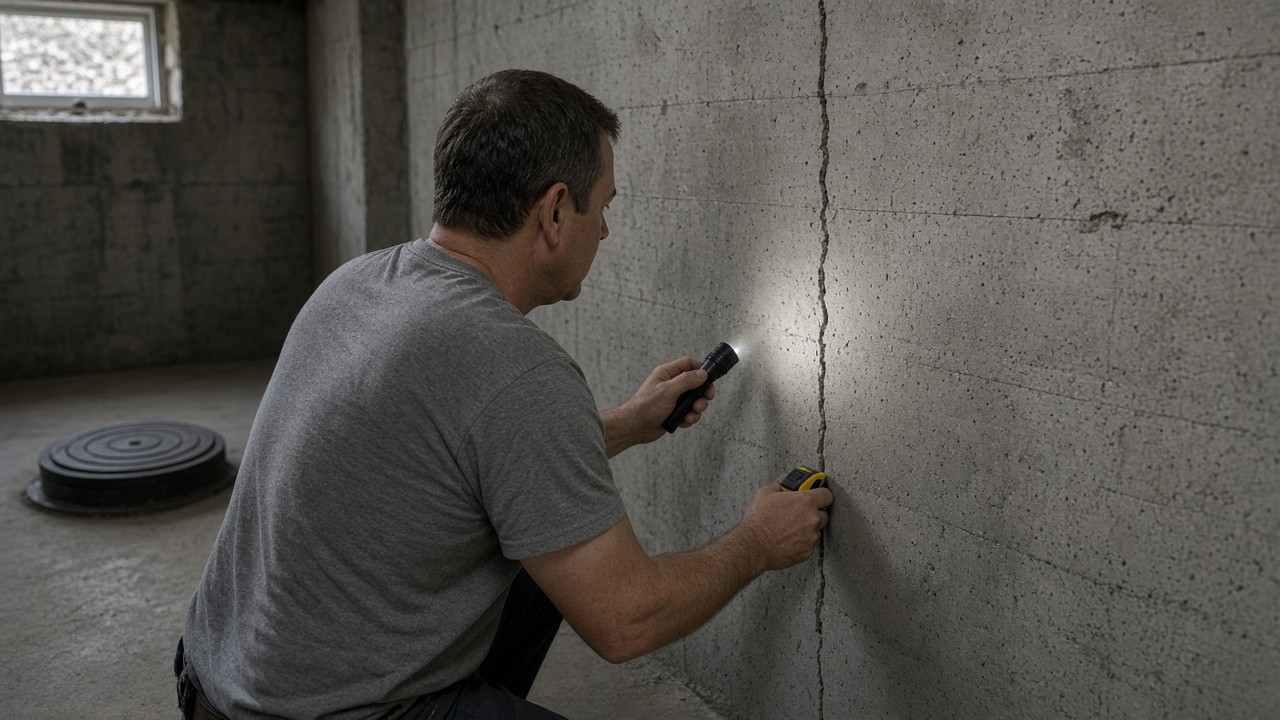
- What you measure, like crack width or wall movement, and how you record it
- Whether you tell people when a problem is minor or does not need your work yet
That last item matters most. If your inspectors tell homeowners when a crack is normal shrinkage or a gutter fix will solve the water, say so. That honesty shows up in reviews and referrals, and it separates you from companies that sell a full system on every call.
Explain causes and repairs in plain words
A homeowner cannot judge a quote without understanding the problem. Give each common problem its own plain explanation, with the repairs you use and when you use them:
- Water through the wall or floor joint — interior drainage, sump, exterior options if you do them
- Cracks in poured walls — when you seal, when you watch, when it signals a bigger issue
- Bowing block walls — bracing, anchors, or other methods you install, and what decides between them
- Settling — piers or other methods, only if you do that work
- Crawlspaces — moisture, vapor barriers, encapsulation if you offer it
- Outside first — gutters, downspouts, and grading, and why you check them before recommending interior work
Use your own photos. Label each with the town, what you found, and what you installed.
Warranties and home sales
Warranty terms matter more in this trade than most, because many repairs are sold on long warranties and houses change hands.
Put in plain text:
- What each warranty covers and for how long
- Whether it transfers to a new owner, and what the transfer process and any fee are
- Whether annual service or inspections are required to keep it valid
- How warranty service calls work
Then add a page for real estate situations: how quickly you can inspect for a pending sale, whether you provide written scopes for buyers and sellers, and how you work with agents. Agents who find that page save it and use it again.
Service pages that match real jobs
- Basement waterproofing — interior drainage and sump systems
- Sump pumps and battery backups — install, replacement, maintenance
- Foundation crack repair
- Bowing and leaning wall repair
- Foundation settlement repair — if you do it
- Crawlspace moisture and encapsulation
- Window wells and egress — if you do it
- Real estate inspections and scopes
- Service areas — towns with real jobs
Proof that belongs on a URL you own
- Before and after photos with town and repair type in the caption
- Crack and wall measurement photos
- Reviews on a page you own, with town and job type when allowed
- License and insurance facts
- Product or installer certifications you actually hold
- Warranty documents summarized in plain text, with the full terms available
The inspection path is the conversion
A good inspection request form asks for:
- Name, phone, email
- Address or town
- Water, cracks, bowing, settling, crawlspace, sump, or a home inspection finding
- When they notice it: after heavy rain, in spring, all the time
- Photo upload
- Is the house being bought or sold? Closing date if so
- Timeline
Put it on its own URL. Keep click-to-call on mobile. If a sump pump has failed and water is rising, say who to call and whether you do emergency pump swaps.
Content that feeds search and AI without theater
- What happens at our basement inspection
- Hairline crack or real problem? How we tell
- Why we check your gutters and grading before we quote interior drainage
- Buying a house with a foundation note in the inspection: what to do next
- Sump pump backup options, explained plainly
- Short job notes: town, what we found, what we did, how the basement did in the next rain
Your website stays the source of record. Google Business and Facebook can point back. Your true inspection process, warranty terms, and towns should live on pages you own.
Bots now make a large share of web requests. People still call when water shows up in the basement and still read every word before signing a large repair. More and more, machines decide which company people hear about first. Plain-text explanations, warranties, towns, and proof on your own domain keep you in that short list.
Design rules that fit the trade
- Fast on mobile. People read your site standing in the wet basement.
- Calm colors and plain language. Skip red warning banners and scare headlines.
- High-contrast type and real photos
- Navigation: Waterproofing, Foundation repair, Sump pumps, Crawlspaces, Real estate, Warranty, Service areas, Reviews, Schedule an inspection
- Click-to-call in the header
- No invented urgency, fake reviews, or badges you do not hold
- You own the domain, hosting, and content
A calm site sells careful work to careful people.
What Upley does for shops like this
Upley builds and hosts websites for Iowa and Midwest service businesses. For a waterproofing or foundation repair company that means a clear inspection page, plain explanations of problems and repairs, warranty and real estate pages that agents can share, hosting that stays up for daily crawls, and an easy way to post jobs without turning your crew into marketers.
Same Iowa web team that ran Big Ten Web Design — design, hosting, SEO — plus the modern layer so search and AI can find the true file about your work, warranties, and towns.
If your current site leads with a flooded basement stock photo and a countdown coupon, start with the homepage five facts and an honest inspection page. Then build from the inspection form.
Book 30 minutes: /half-hour-meeting/ Call 319-535-2508 · aaron@upley.com Iowa City, Cedar Rapids, Quad Cities / Davenport